High-Risk Is a Workflow Label, Not a Meeting Vibe
An architectural field note on replacing informal compliance reviews with deterministic risk state machines, assisted RAG evidence gathering, and hash-chained audit ledgers in EU AI Assurance OS.
Imagine sitting in a cross-functional review meeting where a machine learning engineer, a product manager, and an in-house legal counsel stare at a proposal for an internal resume screening model. The engineer argues it is just a recommendation engine, so it should be low risk. Legal points out that Annex III explicitly lists recruitment AI as high-risk, regardless of human oversight. The product manager suggests deploying it to a small pilot group first to bypass strict audits.
This is compliance-by-conversation. It is subjective, fragile, and prone to silent drift. When risk categorization is treated as an informal negotiation or a static spreadsheet entry, your architecture eventually loses touch with reality. To fix this, we need systems that enforce risk boundaries programmatically.
EU AI Assurance OS acts as a gatekeeper and audit ledger for high-risk AI systems. It classifies risk, proves lineage, blocks bad deploys, and answers auditors without spreadsheet archaeology. Our primary users are compliance officers, AI engineers, legal auditors, and DevSecOps teams who need to bridge regulatory mandates with active engineering pipelines.
Why Standard Tools Fail Here
Traditional Governance, Risk, and Compliance (GRC) tools treat risk as static metadata attached to a ticket or a markdown file in a repository. They suffer from severe failure modes in modern AI environments:
- The State-Metadata Disconnect: A GRC system might label a model as low-risk, but a subsequent update to the feature store or container configuration can quietly cross regulatory boundaries without updating the compliance registry.
- Lack of Cryptographic Proof: Standard database rows can be edited or downgraded by admin users under pressure to ship features, destroying the integrity of the compliance audit trail.
Architectural Mechanisms: State Machines, Control Catalogs, and RAG
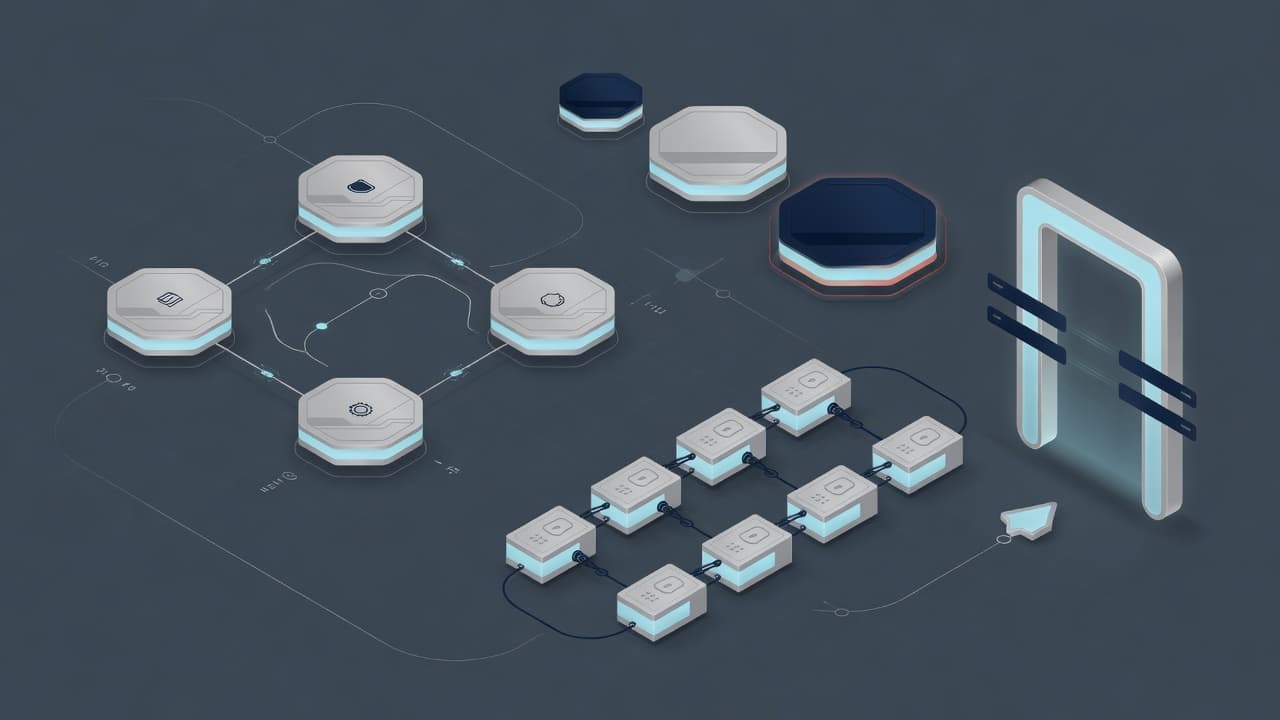
To remove ambiguity, EU AI Assurance OS treats risk classification not as a vibe, but as a deterministic state machine:
[DRAFT_ASSESSMENT] -> [EVALUATING] -> [CLASSIFIED] -> [CONTROLS_BOUND] -> [VERIFIED_LOCK]
During the EVALUATING phase, incoming system parameters and data contracts are run through version-controlled rulesets that mirror statutory obligations. Once classified as high-risk, the system binds specific items from our Control Catalog to the release track. Each state transition is secured via a hash-chained append-only audit ledger, ensuring that manual tampering breaks the cryptographic chain.
To help operators navigate complex statutory text without drowning in PDF archaeology, we integrate a cited compliance evidence RAG mechanism powered by pgvector. When assessing a system's intended purpose, the assistant queries vectorized statute packs to surface relevant legal articles and draft initial risk tiers.
The Role of Assisted AI in Compliance
It is vital to state what our assisted risk classification does and does not do. The AI model acts as a scoping assistant, parsing system intake payloads against statutory definitions to suggest risk tiers and recommend relevant controls from the catalog. However, human operators remain entirely accountable for final sign-off. The model never makes autonomous legal determinations; it simply accelerates evidence gathering so compliance officers can make informed, grounded decisions.
Trade-offs and Remaining Risks
Enforcing hard gates in CI/CD pipelines comes with operational friction. If a compliance review stalls or an evidence pack fails validation, releases halt completely. This creates tension with engineering teams accustomed to fast deploys. We balance this by providing clear error payloads and automated remediation hints directly in the pull request comments, turning the compliance gate into a collaborative debugging session rather than a bureaucratic roadblock.
Operational Context & Resources
If you want to wire deterministic compliance into your release pipeline, inspect the architecture and run the stack locally:
- Landing & Live Demo: https://euassuranceai.souravamseekar.com
- GitHub Repository: https://github.com/SVamseekar/eu-ai-assurance-os
- Full Field Notes Write-Up: https://blog.souravamseekar.com/high-risk-is-a-workflow-label-not-a-meeting-vibe
- Portfolio: https://souravamseekar.com
Related articles
From The Compliance Glasshouse